 Protection
Agro Shade Nets
25%–90% shade factor where light control rather than impact is the goal.
View product
Shading & Netting
Impact protection that does not cost you the crop in shade. Knitted HDPE that spreads hailstone energy across the mesh instead of taking it in one place.
Overview
Hail is the only weather event that can take an entire orchard year in fifteen minutes. Not reduce it — take it. Bruised fruit is unsaleable fruit, and the wounds are entry points for rot that carry into storage.
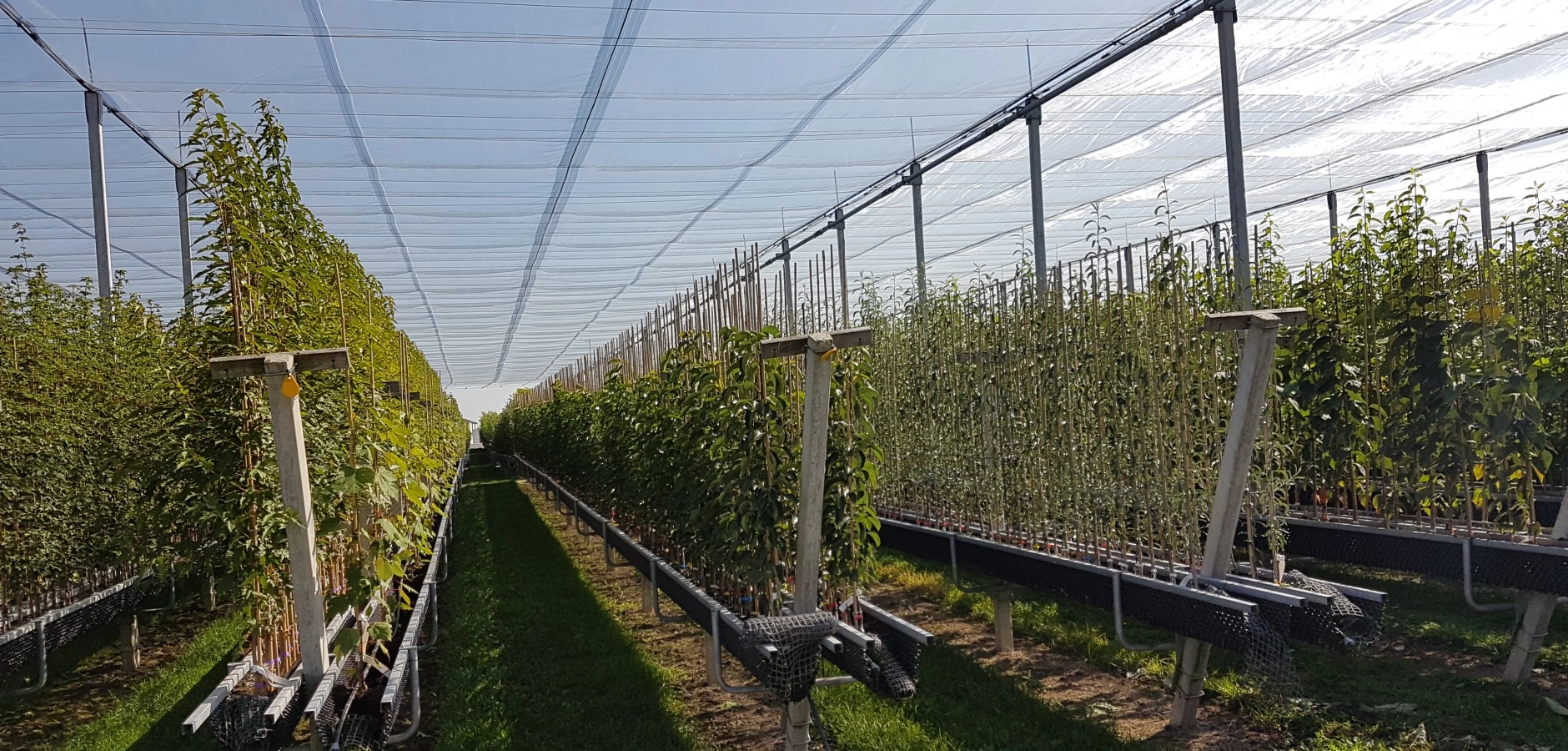
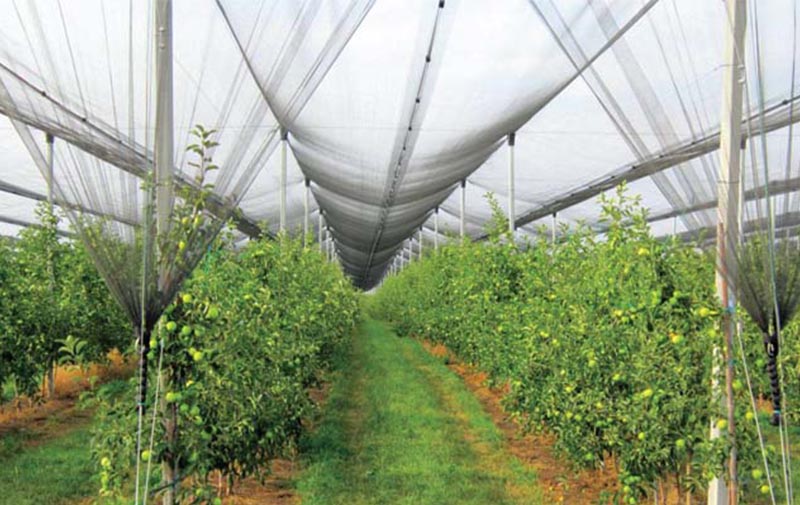
Anti hail netting works by dissipation, not resistance. A hailstone hitting a correctly tensioned net transfers its energy across a wide area of mesh and along the support cables, rather than punching through at the point of contact. This is why tension matters more than it does with any other net we supply: a slack net absorbs impact by stretching until it tears, and a drum-tight one transmits shock into the structure. There is a correct range, and it is narrower than most installers assume.
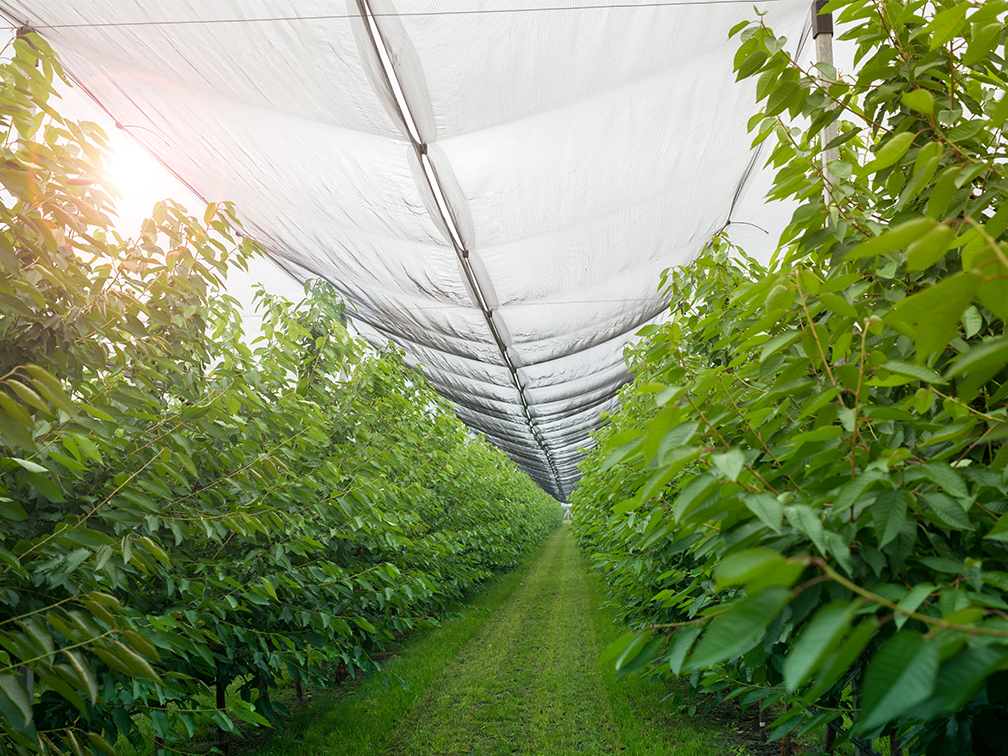
The specification trade-off here is different from shade netting. You want minimal light loss — this net sits over the crop all season, and every point of unnecessary shade is a yield cost you pay for insurance you might not need that year. Typical anti hail grades run 10–20% shade factor rather than the 35–75% you would specify for shading purposes.
Colour choice is a real decision here rather than a cosmetic one. Crystal and white maximise transmission. Black reads more neutrally but costs a few points of light. Green sits between. For apple, pear and stone fruit in light-limited seasons, those points matter.
Features
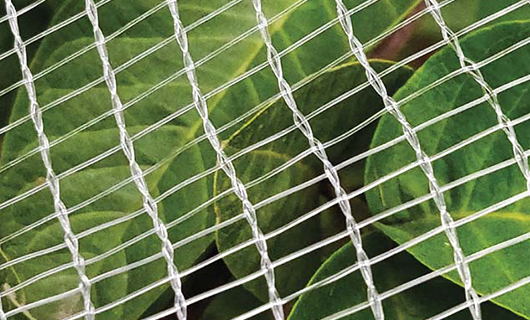
Knit geometry spreads hailstone energy across the mesh and into the cables rather than concentrating it at the strike point.
Typically 10–20% shade factor — protection without turning the orchard into a shade house.
A puncture stays a puncture. Woven net tears propagate, and a hail event creates a lot of puncture opportunities.
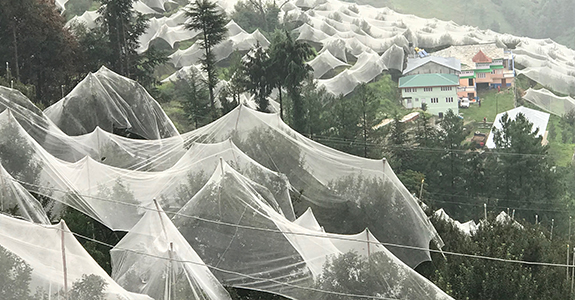
Open structure prevents ice accumulation and the dead-weight collapse that follows.
Cut to your row and bay dimensions to reduce seams — seams are where hail nets fail.
Edge tape and eyelets on request. Edge and fixing points carry the load in a hail event.
Specifications
The trade-off is protection against light. Unlike shade netting, here you want the shade factor as low as the protection allows.
| Grade | Colour | Approx. Shade Factor | Light Transmission | Typical Use |
|---|---|---|---|---|
| Crystal | Clear / natural | ~10% | Highest | Apple, pear — light-limited sites |
| White | White | ~12% | High | Stone fruit, general orchard |
| Green | Green | ~15% | Moderate | Mixed horticulture, vineyards |
| Black | Black | ~18–20% | Lower | High-light sites, neutral light quality |
Shade factor and transmission figures are nominal and vary with mesh grade, installation angle and net age. Anti hail netting is a structural system, not just a fabric — cable spacing, tension and anchor design determine whether it survives an event. Discuss the support design with us before ordering fabric.
Applications
Anywhere a single storm can write off a year of standing value.
Advantages
Anti hail netting is insurance you install once and carry for years. The economics turn on one question: what is a lost crop year worth against the amortised cost of the system?
Gallery
Industries
FAQ
Typically 10 to 20 percent depending on grade and colour, which is materially less than any shading net. Crystal and white sit at the low end, black at the high end. That light loss is the price of carrying protection, and on light-limited sites in poor seasons it is a real cost — which is why colour selection matters here rather than being cosmetic. If your site is already light-limited, specify crystal or white and accept the slightly higher cost.
The support system, and it is not close. Anti hail netting is a structural assembly — cable spacing, tension, anchor design and post strength determine whether it survives an event. Excellent fabric on an underspecified frame fails; adequate fabric on a well-designed frame holds. Most hail net failures we see are structural rather than fabric failures. Talk to us about the support design before you order fabric, not after.
Within a specific range, and this catches people out. Too slack and the net absorbs impact by stretching until the fabric or the fixings tear. Too tight and it transmits shock energy directly into the structure, pulling anchors or bending posts. The correct tension lets the net deflect and recover, dissipating energy across the mesh. We provide installation guidance with supply — follow it rather than tensioning by feel.
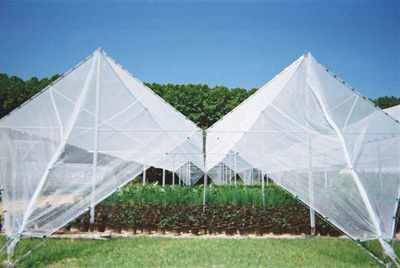
Many systems are designed to be retractable and closed only through the hail-risk window, which avoids carrying the light penalty and the wind load out of season. Fixed systems stay up permanently and accept the year-round shade cost in exchange for simpler structure and no seasonal labour. Which is right depends on your risk window, your labour availability and your light situation. Both are legitimate; the choice should be deliberate.
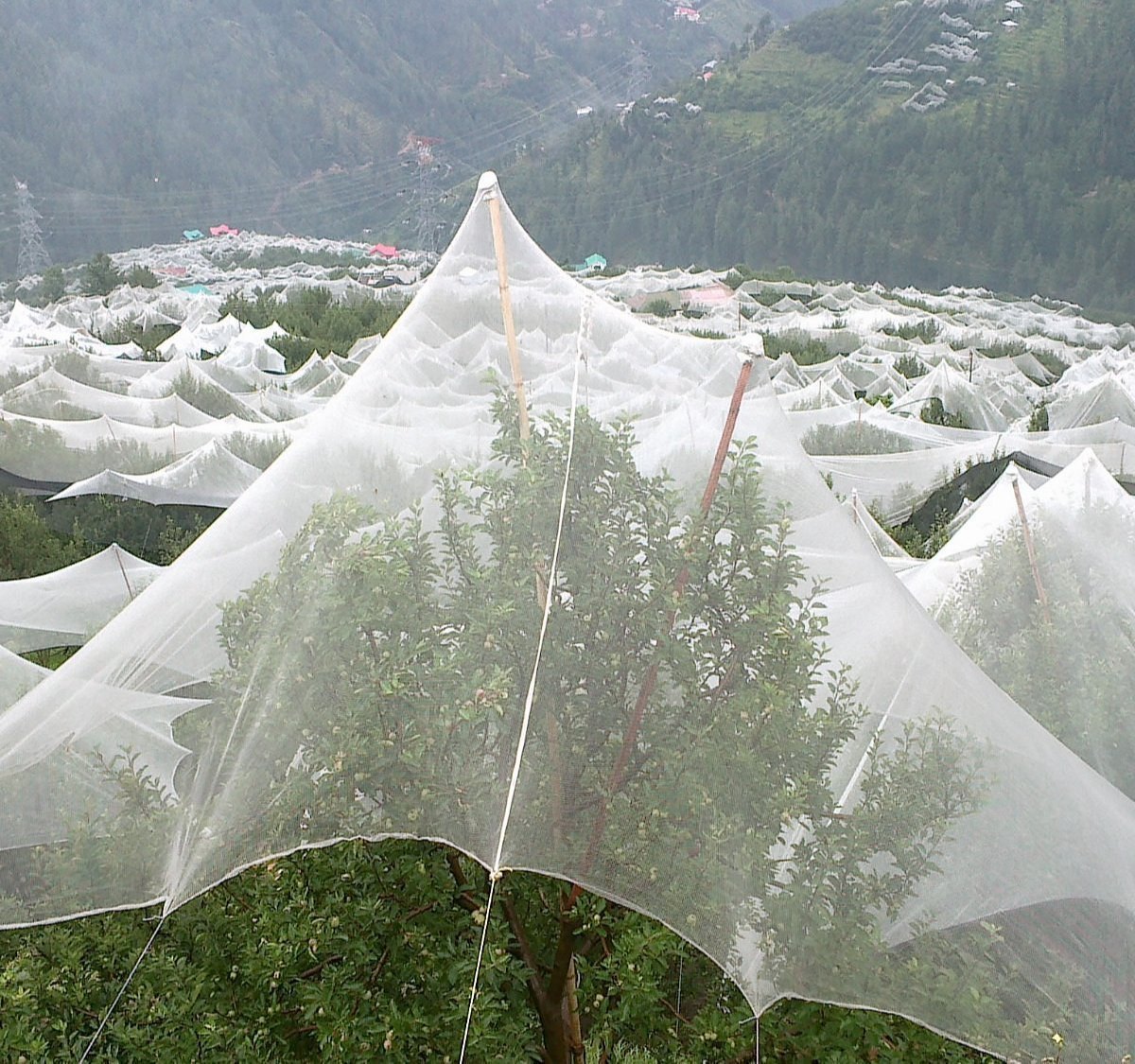
Yes, and this often improves the economics. The same canopy reduces bird predation, buffers wind rub on fruit, and moderates the worst of the radiation load. Some growers who installed for hail find the bird benefit alone justifies the system in years with no hail event. It does not, however, replace insect netting — the mesh is far too coarse for pest exclusion.
Enquiry
Send the crop, orchard dimensions and your bay spacing. You will get a written specification covering grade, colour and support system requirements.
Related
Products that typically ship in the same order.
Protection
25%–90% shade factor where light control rather than impact is the goal.
 Protection
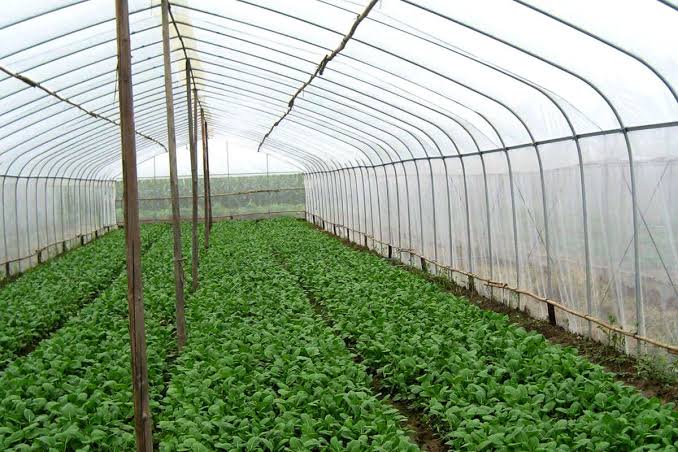
Hail net mesh is far too coarse for pest exclusion — different job, different net.
 Protection
Bird netting, tree guards and windbreak for the rest of the orchard.
 Structures
Cable, clips, springs and anchors — the parts that carry the load.